






2027 Chevrolet Bolt NACS Charging, Range, and V2H: Full Feature Breakdown
The 2027 Chevrolet Bolt uses a standard NACS charge port and reaches 10%-80% charge in just 26 minutes via DC Fast Charging at up to 150 kW. That puts 262 miles of EPA-estimated range within reach of the fastest public charging networks available today. This page breaks down how the Bolt's charging system works across both trims, with inventory available at ASA Auto Plaza.
2027 Chevrolet Bolt full specs
Charging and Range Feature Overview
The 2027 Bolt is built around three charging realities: fast public charging, practical home charging, and the ability to send power back out of the vehicle. The standard NACS port is the foundation. NACS is now the dominant charge connector across North America, meaning Bolt drivers can access Tesla Superchargers and a growing list of third-party fast-charging stations without an adapter.
DC Fast Charging tops out at 150 kW, which delivers a 10%-to-80% charge in roughly 26 minutes. For home use, the Bolt supports Level 2 AC charging at up to 11.5 kW, adding up to 40 miles of range per hour of charging. On a standard 240-volt home setup, that makes overnight charging straightforward for virtually any daily mileage pattern.
The battery itself is a 65 kWh lithium-iron-phosphate (LFP) unit. LFP chemistry is known for long cycle life and stability at high states of charge, meaning owners can regularly charge to 100% without the degradation concerns that affect some other chemistries.
Vehicle-to-Home (V2H) bidirectional charging rounds out the picture, turning the Bolt into a backup power source for your home. That capability is particularly relevant for drivers in rural Minnesota and surrounding areas where power outages are a real seasonal concern.
How the NACS Charging System Works
NACS (North American Charging Standard) is the charge port format originally developed by Tesla and now adopted as the industry standard across major automakers. The 2027 Bolt ships with NACS as a factory-installed port, not an adapter solution.
At a DC Fast Charging station, the Bolt accepts up to 150 kW of power. The onboard battery management system monitors temperature, state of charge, and cell balance in real time to keep the charge rate as fast as safely possible throughout the session. The result is that 26-minute window from 10% to 80%.
At home or at a Level 2 public station, the Bolt's onboard charger accepts up to 11.5 kW. At that rate, a fully depleted battery goes from empty to full in roughly six hours, and adding 40 miles of range per hour of charging means most owners can top off overnight even if they return home with a significantly low state of charge.
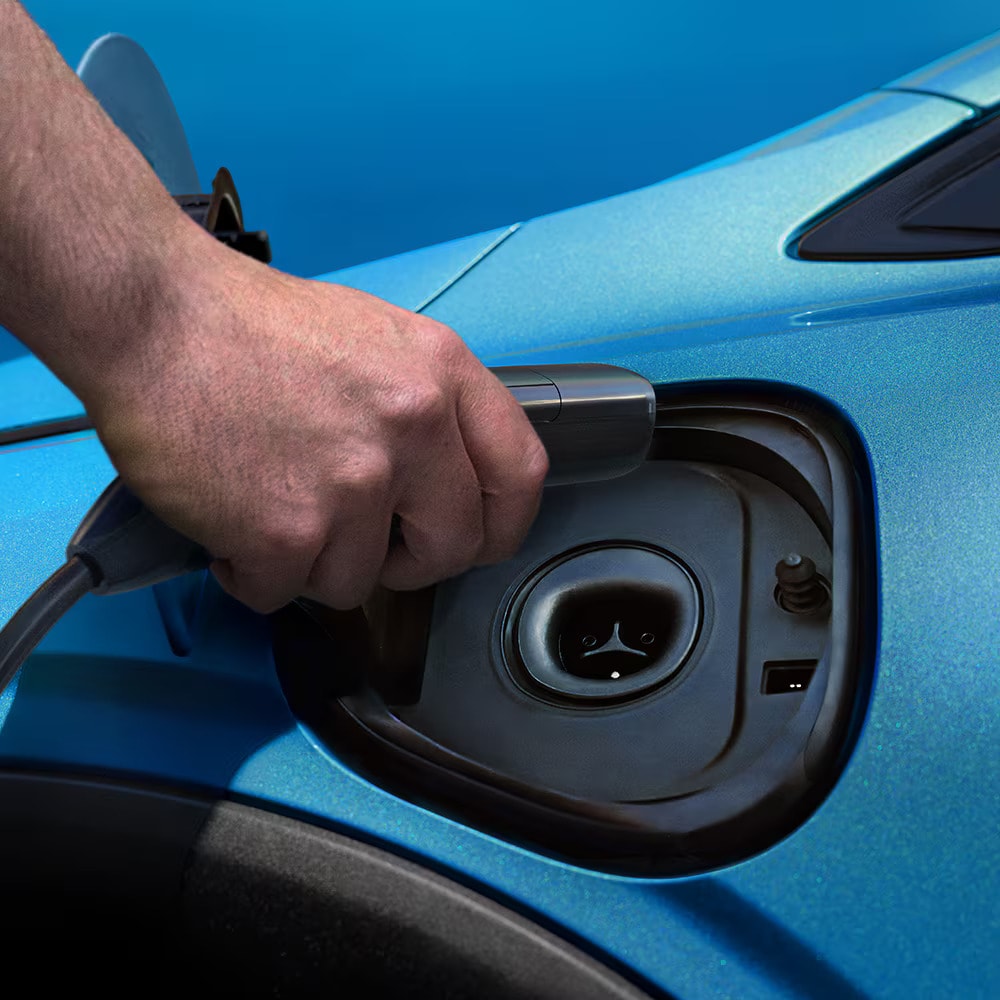
NACS connector standard overview
One-Pedal Driving (available in Normal and High regenerative braking settings) also contributes to effective range management. By recapturing kinetic energy during deceleration, the system extends usable range in stop-and-go driving, which is a meaningful gain for anyone commuting through town or navigating highway construction zones.
The V2H system allows the Bolt to discharge stored energy back into a home's electrical system through a compatible bidirectional charger and home panel setup. During an outage, the Bolt's 65 kWh battery can power essential appliances and lighting for an extended period depending on load.

Across the Trims: LT and RS Charging Features
The core charging hardware is identical on both trims. Whether you choose the LT or the RS, you get the standard NACS port, 150 kW DC Fast Charging capability, 11.5 kW Level 2 AC charging, V2H bidirectional capability, One-Pedal Driving, and the full 262-mile range from the 65 kWh LFP battery.
The RS trim adds features that support the driving experience around that charging foundation. Super Cruise hands-free driver assistance technology is available on the RS, which pairs well with long highway segments between fast-charging stops. HD Surround Vision and a digital rearview mirror are also available on the RS, adding spatial awareness during parking and maneuvering at busy charging locations.
Color availability differs by trim. The LT is offered in Habanero Orange, Relic Green Metallic, and Marina Blue Metallic. The RS adds Atomic Yellow and drops Relic Green Metallic. Both trims share the same core powertrain: 210 hp, 169 lb-ft of torque, front-wheel drive, and that 262-mile range figure.
Real-World Benefit for Bolt Owners in Jackson and Beyond
For drivers in Jackson, MN and the surrounding region, the NACS port matters in concrete terms. The continued expansion of the national fast-charging network means a Bolt owner can plan a route from Jackson toward the Twin Cities or Sioux Falls with confidence, knowing compatible fast chargers are available along major corridors.
The 262-mile range handles the vast majority of daily and weekly driving needs without a single stop. For reference, the drive from Jackson to Minneapolis is approximately 170 miles, which falls within a single charge for most driving conditions. A quick DC Fast Charging stop on the way back means arriving home with a comfortable buffer.
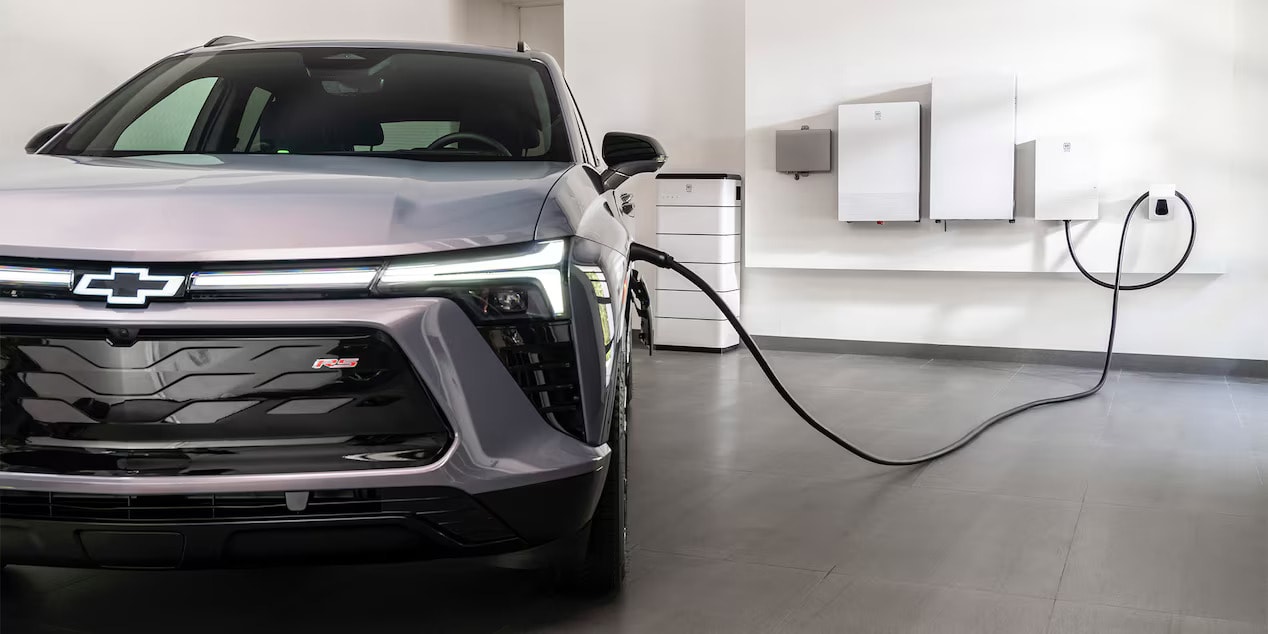
At home in a rural setting, the V2H capability adds genuine utility. A generator-equivalent power supply sitting in the garage, already charged from overnight Level 2 charging, is a meaningful safety net through Minnesota winters. The 8-year / 100,000-mile battery limited warranty backs the long-term reliability of that investment.
The 16.2 cubic feet of cargo space behind the rear seats and 56.3 cubic feet with seats folded means the Bolt handles both road-trip luggage and everyday errand runs without compromise.
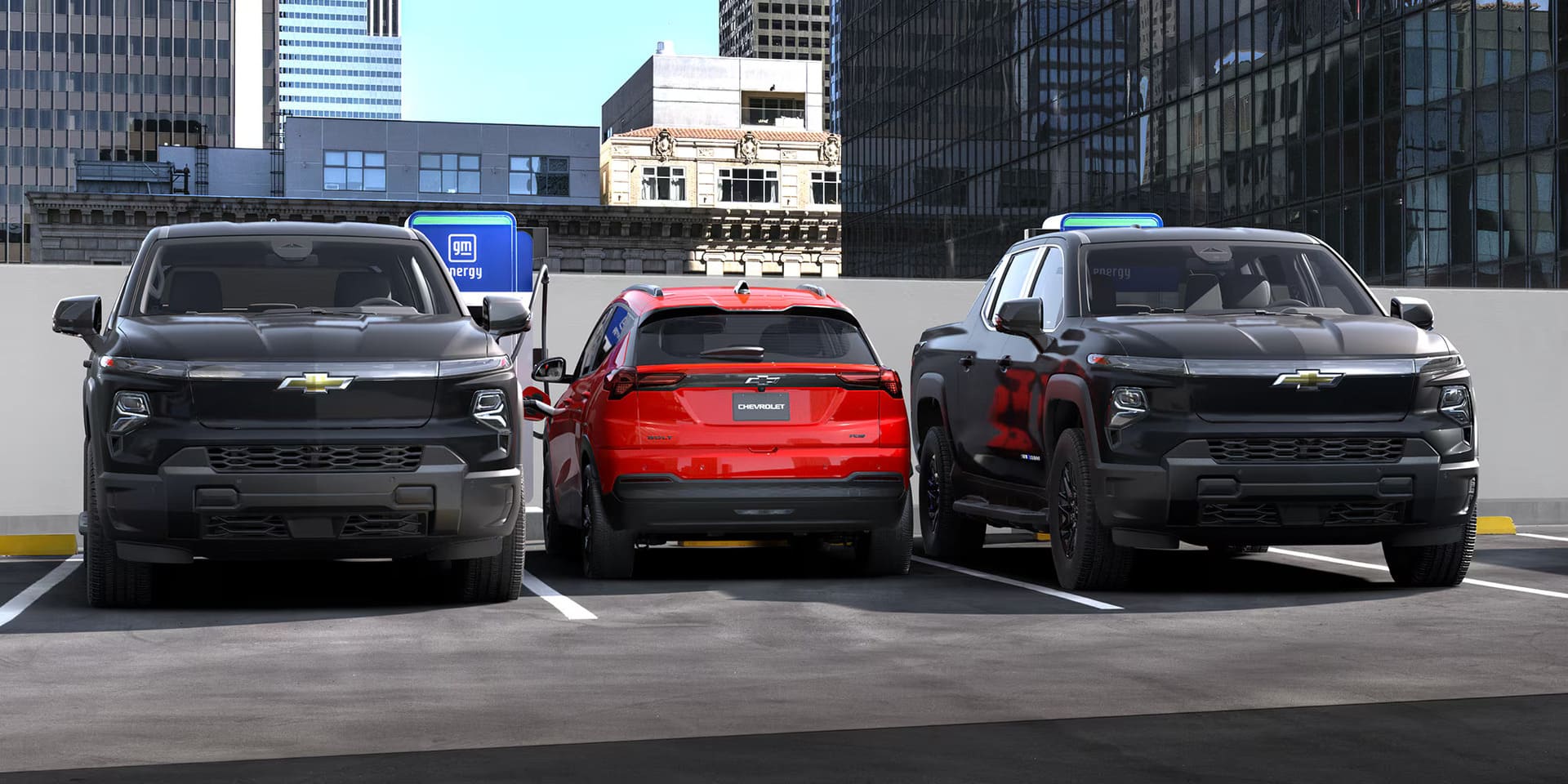
How the Bolt's Charging Compares to Rivals
The 2027 Bolt's 150 kW DC Fast Charging rate is competitive within the non-premium EV segment. Many similarly priced electric vehicles top out at 100 kW or below, making the Bolt's 26-minute charge window (10%-80%) faster than several direct competitors at equivalent public chargers.
The standard NACS port (not an add-on adapter) gives the Bolt access to the broadest fast-charging network in North America without third-party hardware. Some competing models in this segment still ship with CCS ports and require a separate NACS adapter for Supercharger access.
The 11.5 kW Level 2 AC charging rate is also above average for this price tier, where some competitors cap out at 7.2 kW or 11.0 kW. That difference adds up to meaningful range gained per hour on a home charger or public Level 2 station.
The V2H bidirectional capability is not standard across this segment. Several competing EVs offer vehicle-to-load (V2L) at best, which powers small devices through an outlet. Sending power back into a home's electrical system requires dedicated hardware that many rivals in this price range do not support.
See the 2027 Bolt at ASA Auto Plaza in Jackson, MN
The 2027 Chevrolet Bolt brings a standard NACS port, 150 kW DC Fast Charging, 262 miles of range, and V2H capability together in a two-trim lineup available now through ASA Auto Plaza. If you are ready to move from questions to a test drive, the team in Jackson can walk you through both the LT and RS in person and show you how the charging system integrates with your daily routine.
Frequently Asked Questions
What charge port does the 2027 Chevrolet Bolt use?
The 2027 Bolt uses a standard NACS (North American Charging Standard) port, which provides direct access to Tesla Superchargers and a wide range of third-party fast-charging networks without an adapter.
How fast does the 2027 Bolt charge on a DC Fast Charger?
The 2027 Bolt accepts up to 150 kW on a DC Fast Charger and goes from 10% to 80% in approximately 26 minutes.
How much range does the 2027 Chevrolet Bolt have?
The 2027 Bolt delivers 262 miles of range from its 65 kWh lithium-iron-phosphate battery.
Does the 2027 Bolt support home charging?
Yes. The Bolt supports Level 2 AC charging at up to 11.5 kW, which adds up to 40 miles of range per hour on a compatible 240-volt home charger.
What is Vehicle-to-Home (V2H) on the 2027 Bolt?
V2H is a bidirectional charging feature that allows the Bolt to discharge power from its battery back into a home's electrical system through a compatible bidirectional charger and panel setup, functioning as a backup power source during outages.
Does the 2027 Bolt have One-Pedal Driving?
Yes. The Bolt offers One-Pedal Driving with Normal and High regenerative braking settings, which recaptures energy during deceleration to extend usable range.
Is the 8-year battery warranty on both trims?
Yes. Both the LT and RS trims carry the 8-year / 100,000-mile battery limited warranty, in addition to the standard 3-year / 36,000-mile basic warranty.
Is Super Cruise available on both Bolt trims?
No. Super Cruise hands-free driver assistance technology is available only on the RS trim.